
The Rule of Thumb (and Why There Isn't Really an Exception)
If a repair involves touching, loosening, or replacing a garage door spring, it is not a homeowner job, period. There is no safe workaround, no YouTube shortcut, and no amount of caution that changes this. The usual exceptions people look for — "I'm handy," "I have the right wrench," "I watched a video twice" — don't apply here, because the danger isn't about skill or confidence. It's about physics. Even licensed technicians who do this daily use specific calibrated tools and follow a strict sequence, because the margin for error is that thin.
What Actually Goes Wrong
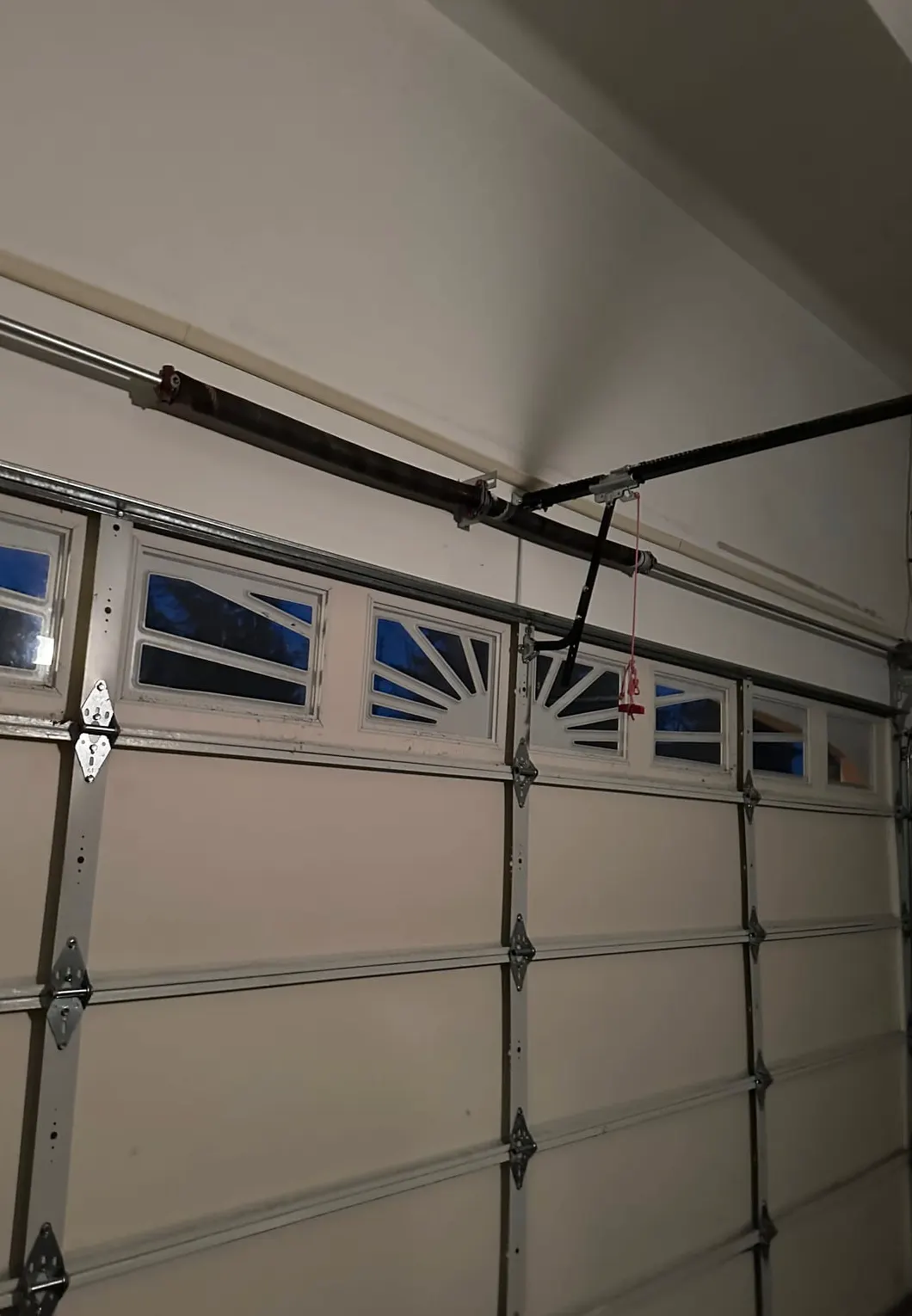
A standard torsion spring sits above the garage door opening and twists tight enough to lift a door weighing anywhere from 130 to over 400 pounds, depending on material and size. That tension has to go somewhere. When a spring is wound or unwound with the wrong tools, or when it snaps mid-adjustment, the stored energy releases in a fraction of a second.
- Winding bars can kick back with enough force to break a wrist or fracture facial bones.
- A spring that lets go while under partial tension can whip violently, striking anything in its path.
- Extension springs (the kind mounted along the horizontal tracks) can launch several feet if they fail without a safety cable in place.
- A door that's improperly supported during the work can fall suddenly, crushing hands, feet, or worse.
None of this requires a defective part. It happens during routine replacement attempts by people who didn't expect the spring to still have tension in it, or who used a screwdriver instead of a proper winding bar.
How Badly People Get Hurt
This isn't a sprain-and-bruise category of injury. Emergency rooms regularly see deep lacerations from flying metal edges, broken fingers and hands caught between the spring and bracket, fractured arms from kickback, and eye injuries from metal fragments. In the worst cases, a falling door or a spring strike to the head causes concussions or worse. These injuries are disproportionately severe for how "simple" the job looks from the outside — which is exactly the trap.
Signs Your Springs Need Attention
Knowing the warning signs matters, even though the fix isn't a DIY one. Watch for:
- A visible gap or separation in a torsion spring coil above the door.
- The door feels heavy or won't stay open partway when manually lifted.
- A loud bang from the garage, often mistaken for a car backfiring or something falling — this is frequently a spring breaking.
- The door closes unevenly or drifts to one side.
- Visible rust or pitting on the spring coils, which weakens the metal over time.
Our winter rains and the humidity swings that follow dry summer months accelerate corrosion on exposed hardware, especially on older doors that haven't been serviced in a few years. A spring that looks fine in July can be noticeably more fatigued by the time the rainy season sets in, which makes a pre-winter check worth doing even if nothing seems obviously wrong.
What Actually Prevents These Injuries
The prevention steps are simple precisely because they avoid the dangerous part entirely:
- Don't attempt the repair. This includes "just tightening" a loose-looking spring or adjusting tension to fix an off-balance door.
- If a spring breaks while the door is open, leave it in place. Don't try to force it down or disconnect the opener to muscle it closed manually.
- Keep kids and pets out of the garage until the spring is replaced. A door with a broken spring can fall without warning if someone pulls the emergency release.
- Don't use the automatic opener on a door with a known spring issue — it puts extra strain on the opener motor and can cause the door to drop suddenly.
- Schedule annual maintenance so wear is caught before a spring fails outright, rather than discovering it mid-use.
When to Call Santa Clara Garage Door Works
If you notice any of the warning signs above, or you simply want peace of mind heading into the wetter months, that's the moment to call rather than reach for a wrench. Our Spring Replacement service includes replacing both springs as a pair (even if only one has failed, since the other is usually close behind), using properly calibrated tools, and re-balancing the door afterward so the opener isn't doing extra work. If it's been a while since your last check, our Garage Door Maintenance service covers a full inspection of springs, cables, and hardware so small issues get caught early.
If your garage door is showing any of these signs, don't risk it. Call Santa Clara Garage Door Works for fast, safe spring replacement and maintenance anywhere in Santa Clara, CA and the surrounding South Bay.